
Practice-Based Seminary Training in 360°
Practice Before the Pulpit: Interactive Spatial Learning for Pastoral Training
Professional formation depends on practice. A future pastor needs time in the setting, the conversation, and the responsibility before stepping into them. Online programs have found it hard to offer that kind of practice at a distance. Northeastern Seminary at Roberts Wesleyan University is addressing the gap with interactive spatial learning, and Reality Ready Training is proud to have collaborated on the work.
"it happened because your team collaborated with us. I'm grateful for the effort, for the technology... for taking seriously our conviction that pedagogy drives technology, not the other way around."
Jesús Rodríguez-Cortés, Roberts Wesleyan University
The Project
The initiative is called Immersive Formation: Equipping for the Future. It is supported by a $1 million grant from Lilly Endowment Inc. through the Pathways for Tomorrow Initiative. The seminary is redesigning its online programs so students can walk through virtual ministry settings, visit biblical sites in 360°, and practice pastoral care in safe, guided spaces.
Year One focuses on building foundational tools. No training or platform deployment takes place in this phase. The priority is a reusable base that supports future pilots.
What Was Built
Two sets of tools anchor the first year.
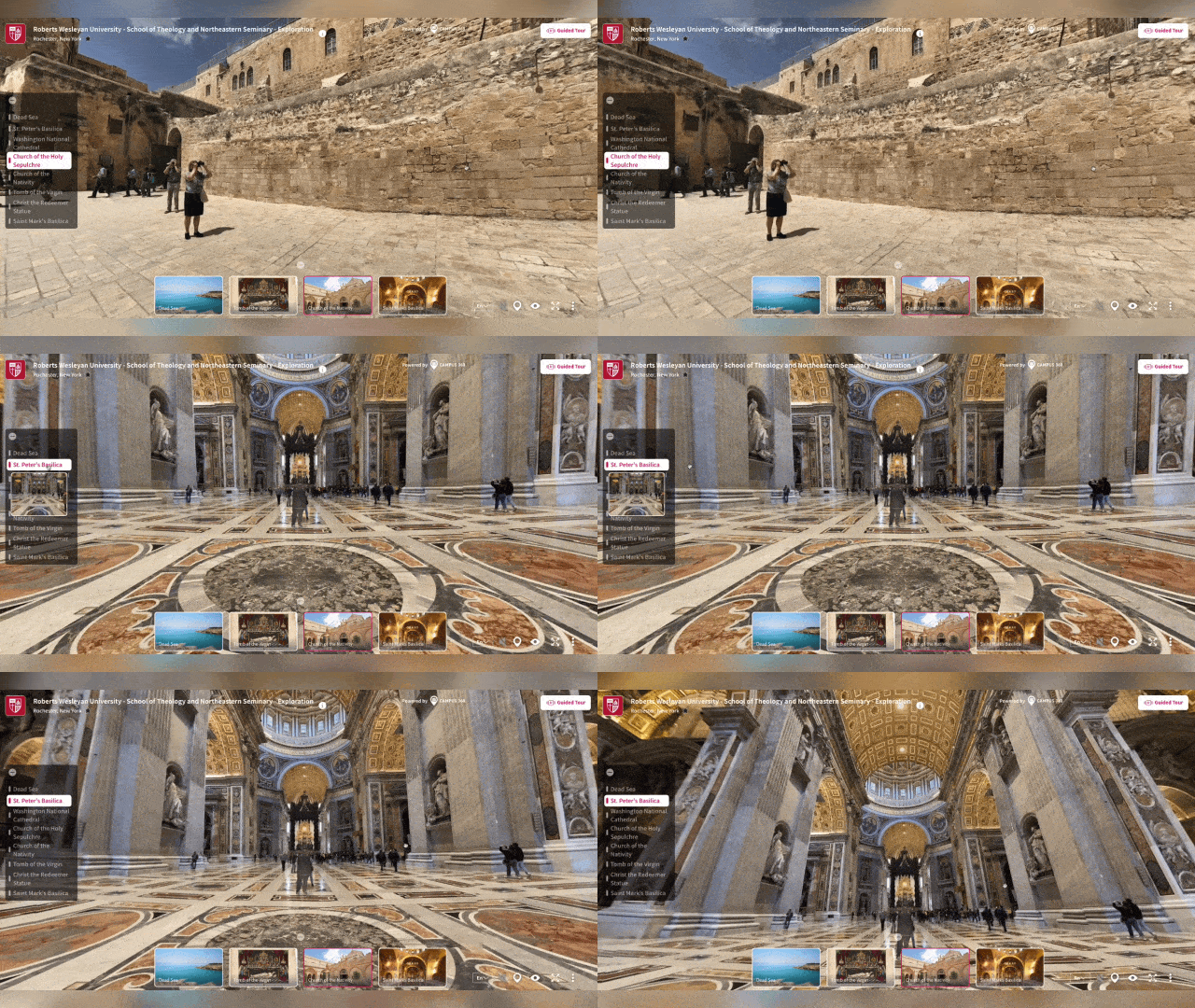
Guided 360° walkthroughs: An interactive historical walkthrough tool lets faculty lead students through real spaces, with custom UI and UX, pop-up story overlays, and green screen video integration.
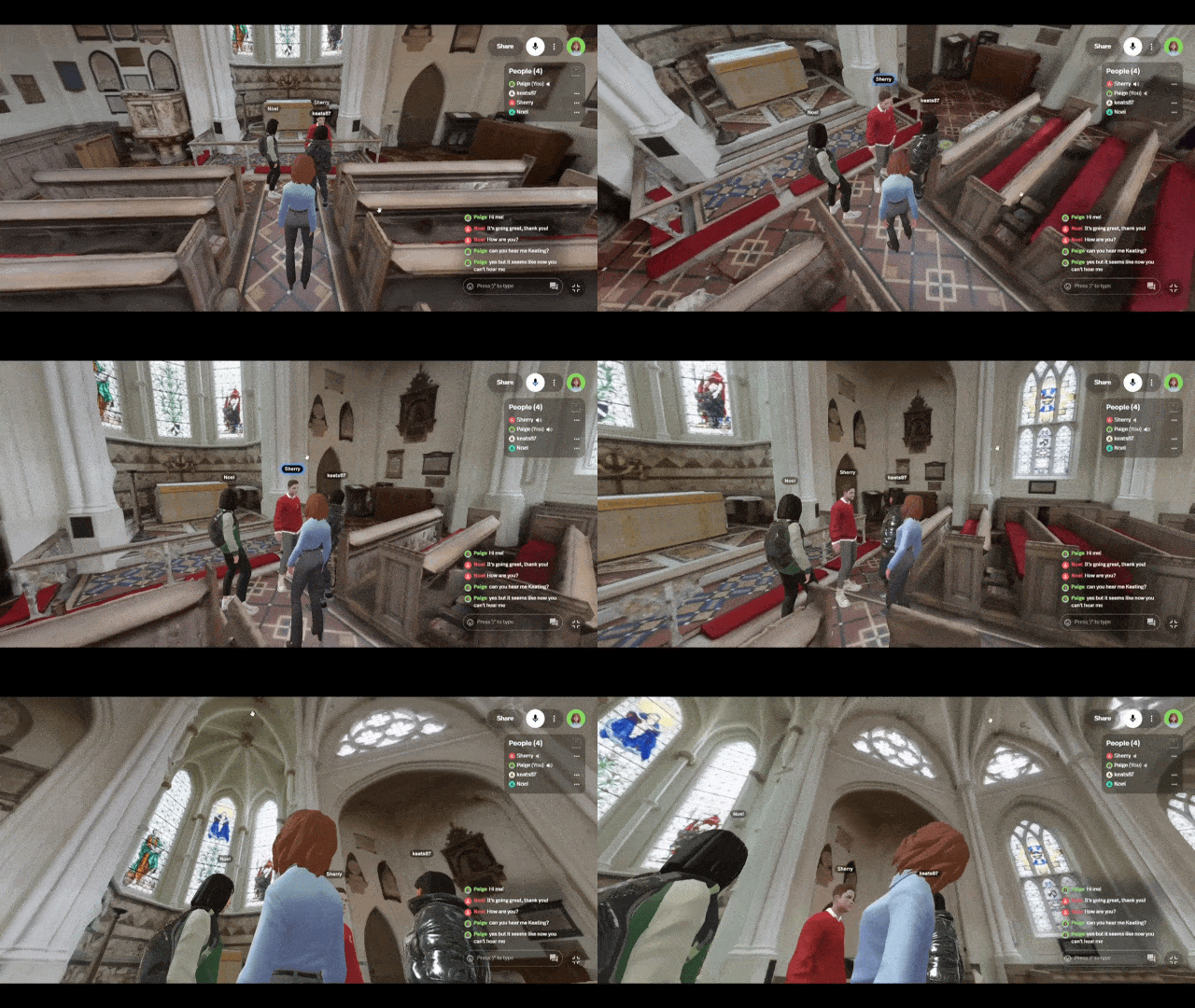
Shared 3D environments: Six high-fidelity collaborative spaces, including a chapel, a classroom, and a prayer circle, support avatars, spatial audio, and real-time interaction.
Flexible access: Both tools work in a browser and in VR, so learners can join with the equipment they have.
Demo 1: Learning through place
Students step into a real space with an instructor guiding the way and stories appearing in context.
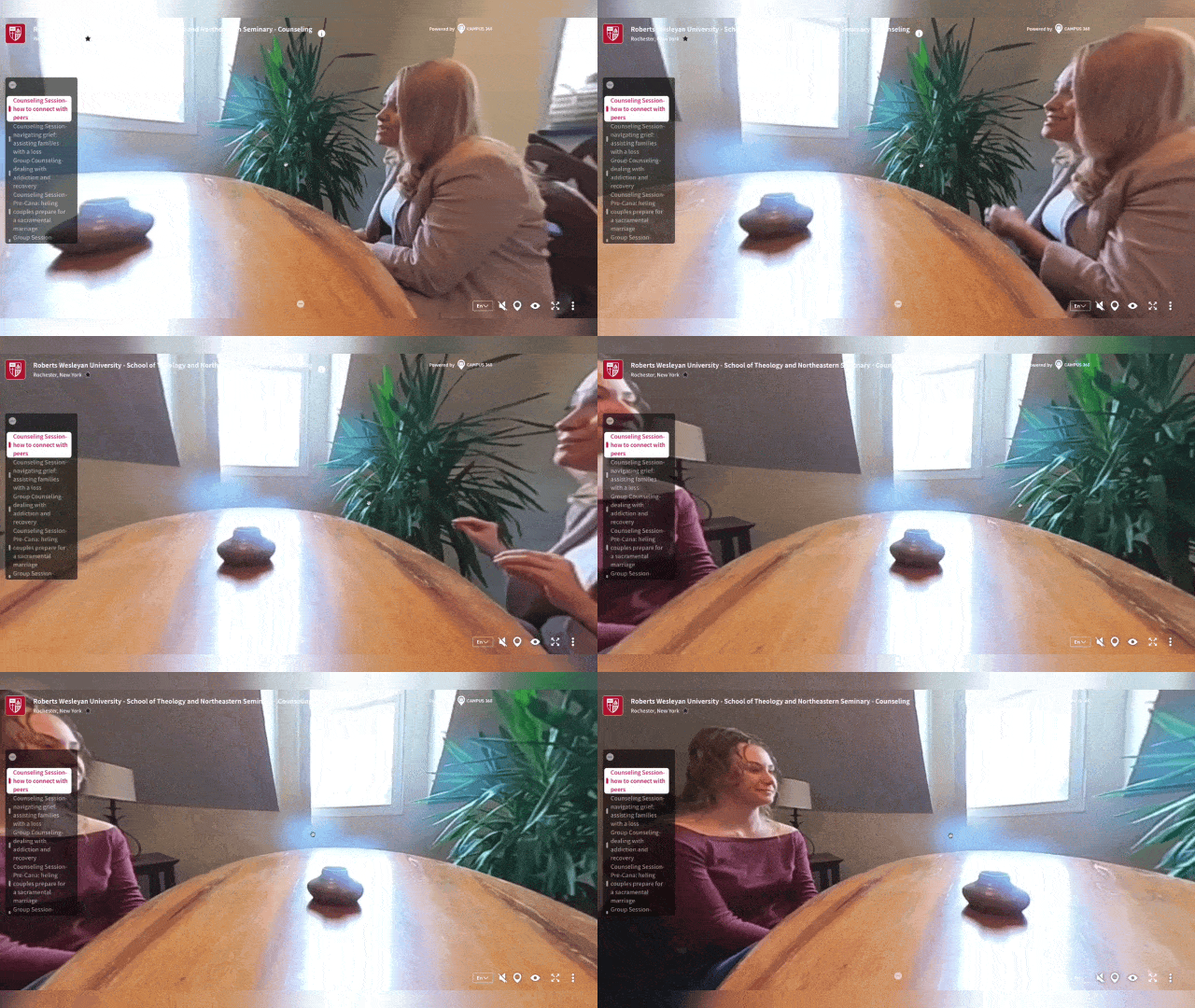
Demo 2: Learning together
A shared space where learners gather, hear one another, and take part in real time.
Demo 3: Learning anywhere
The same experience reaches students through a browser or a headset.
Tested With Education Leaders
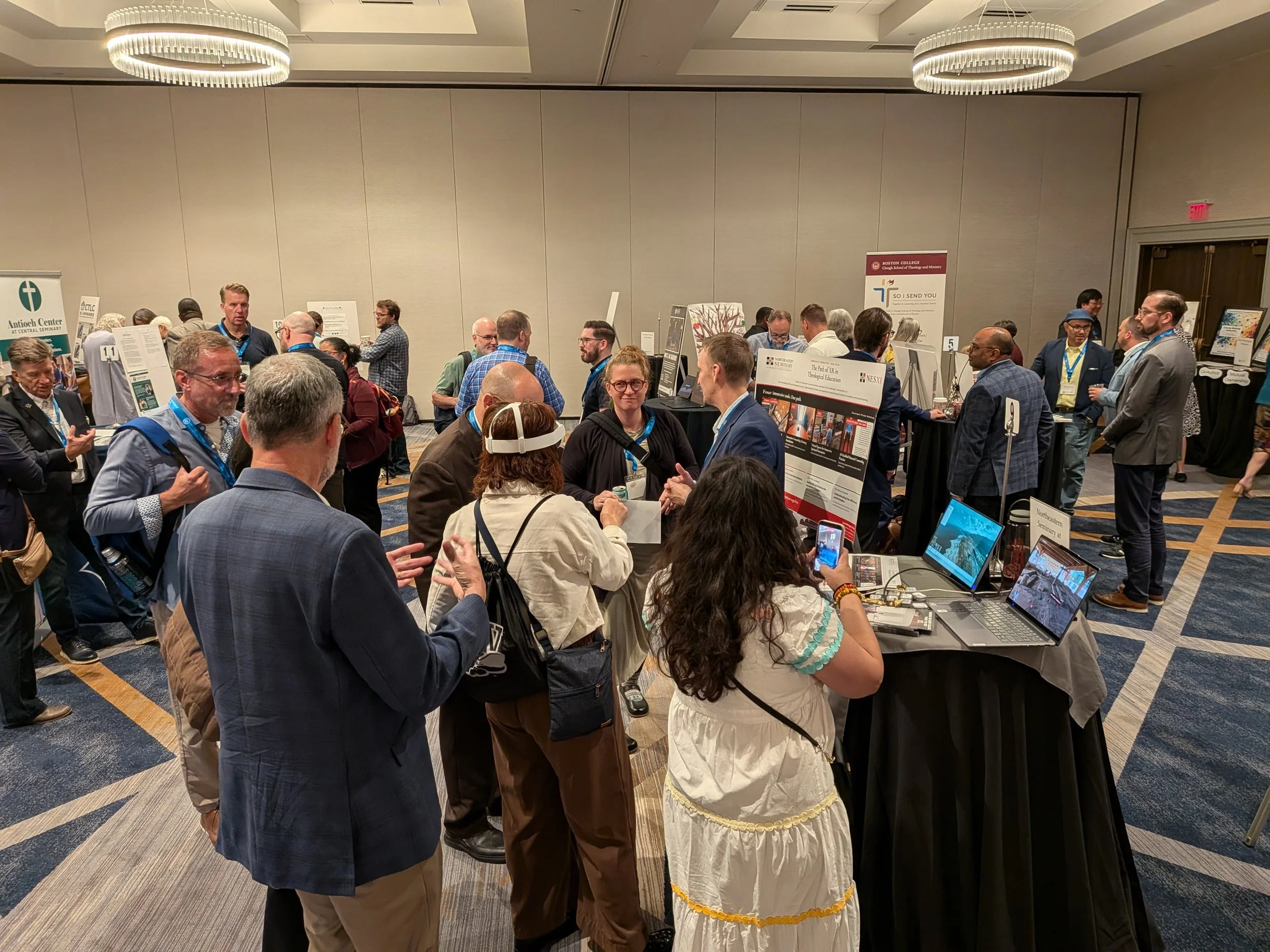
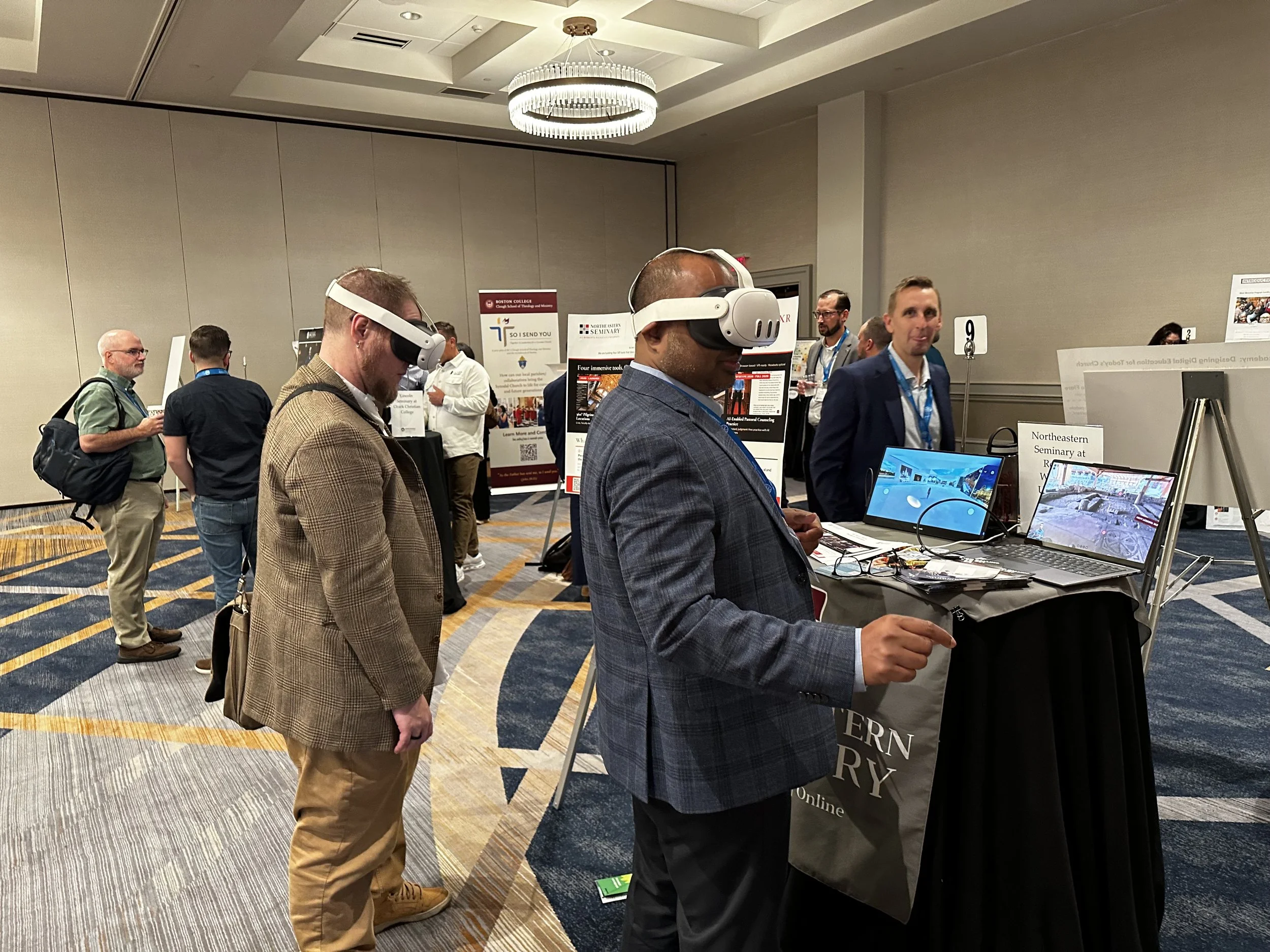
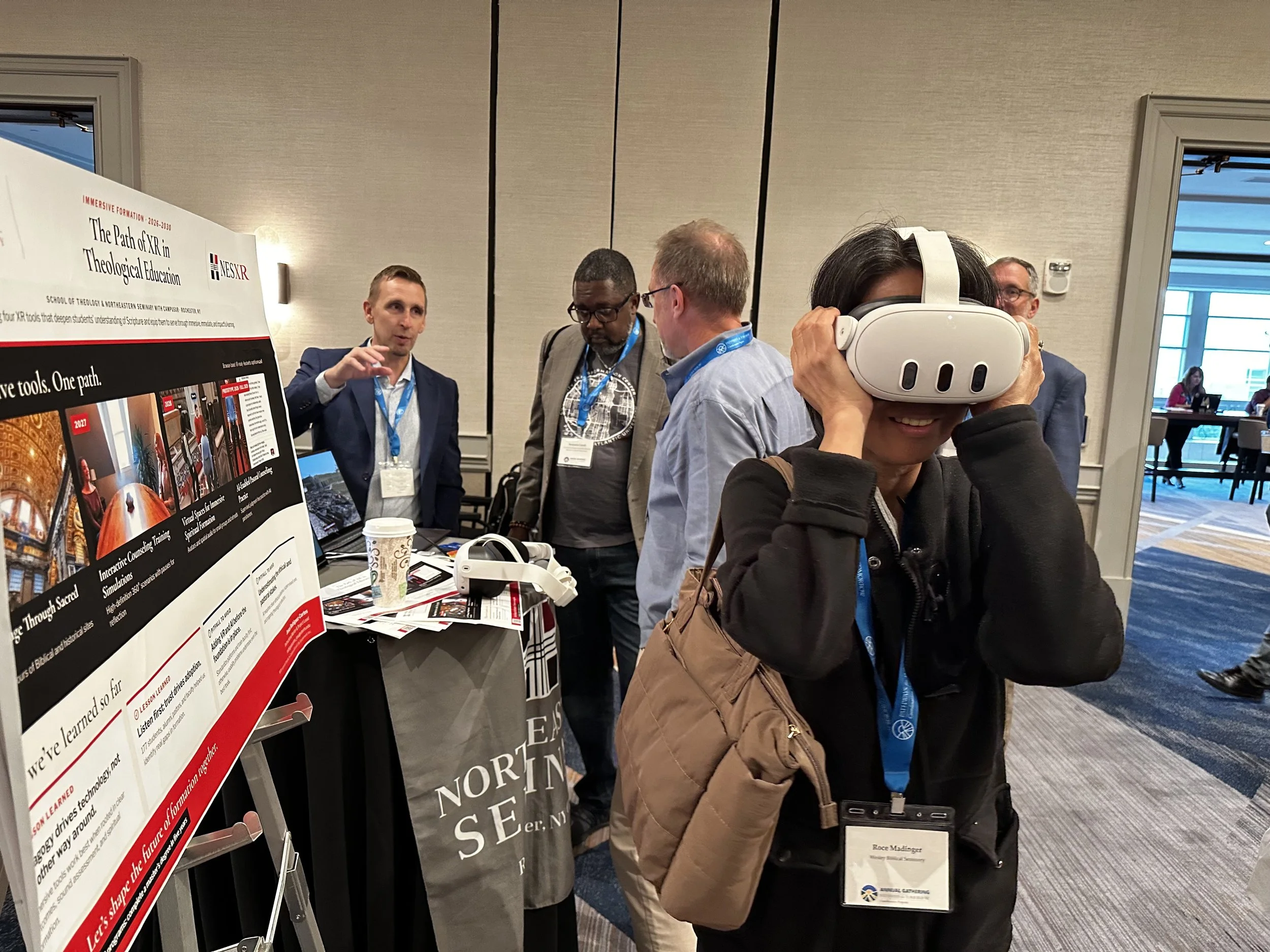
The team presented the work at the Pathways Expo in Indianapolis. Deans, faculty, and project directors from across the Pathways cohort explored it in headsets, and the response was enthusiastic. The collaboration drew strong institutional interest.
That response reflects the principle the seminary set from the start: pedagogy drives technology. Tools were shaped around what students and pastors need to practice, and the technology followed.
Why Spatial Practice Works for Training
Training outcomes improve when learners work in context. A walkthrough keeps content attached to place. A shared room lets a group rehearse conversations together, with voices that come from where each person stands. Guided facilitation keeps the practice focused on the skill being built.
These principles apply well beyond seminary education. Any program that prepares people for work with other people can use the same structure: a realistic setting, a clear purpose, and a facilitator who guides the experience.
Digital environments also stay current. Content can change and scenarios can grow without rebuilding the system. That keeps the investment useful as programs evolve.
What Training Leaders Can Take From This
Skill first: Name the situation learners must be ready for, and design the environment around it.
Shared practice: Give groups a common space to rehearse, discuss, and reflect.
Room to grow: Build tools that can expand into new pilots without starting over.
Reality Ready Training helps organizations turn immersive content into training that learners can practice and apply. Schedule a meeting with our team to talk through what that could look like for your program.