
Train on the unit, not the manual.
Every model, every fault, every revision.
Including the equipment that only exists at one site, and the failure your techs see twice a year and forget in between.
The problem
Service documentation is accurate, but it's flat. A diagram identifies the part without showing how it comes out, what surrounds it, or where the procedure tends to go wrong. That knowledge usually passes from senior technicians to new ones in the field, when schedules allow.
With new models released every year, many technicians encounter a unit's internals for the first time on a service call
What we build
01
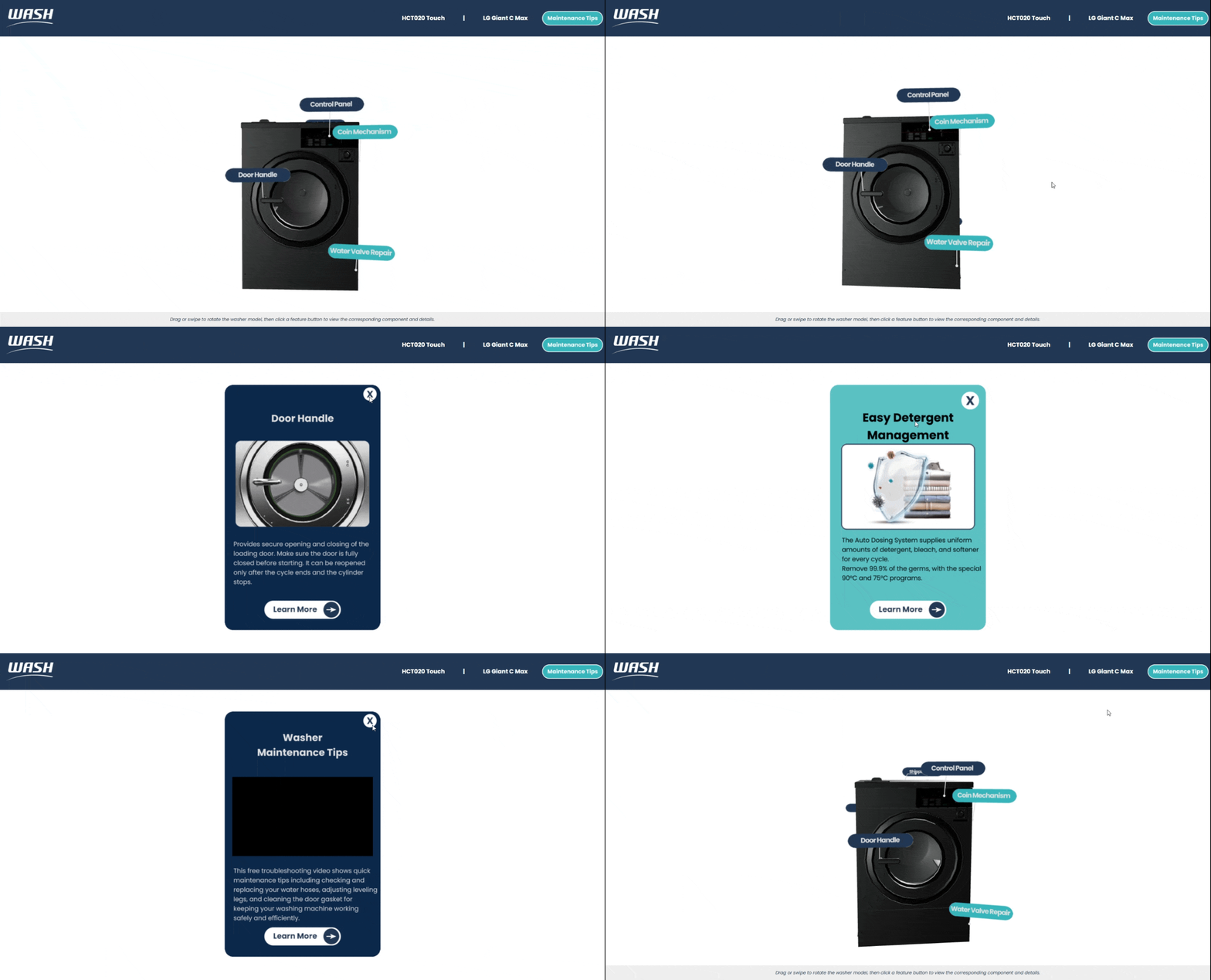
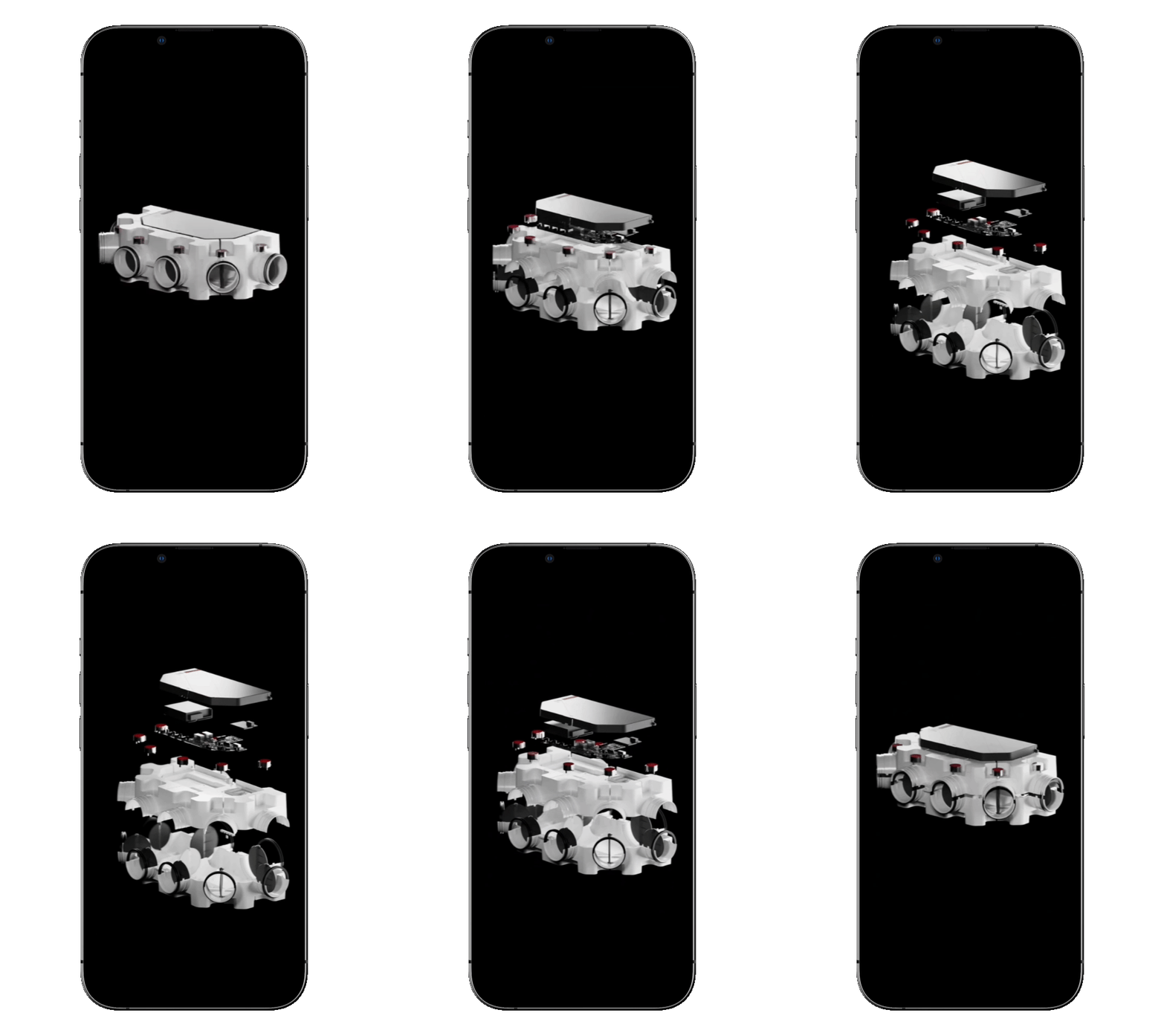
Interactive 3D models.
Explode the assembly, rotate it, isolate a part, put it back together. Built from scans of your actual equipment, not generic CAD.
03
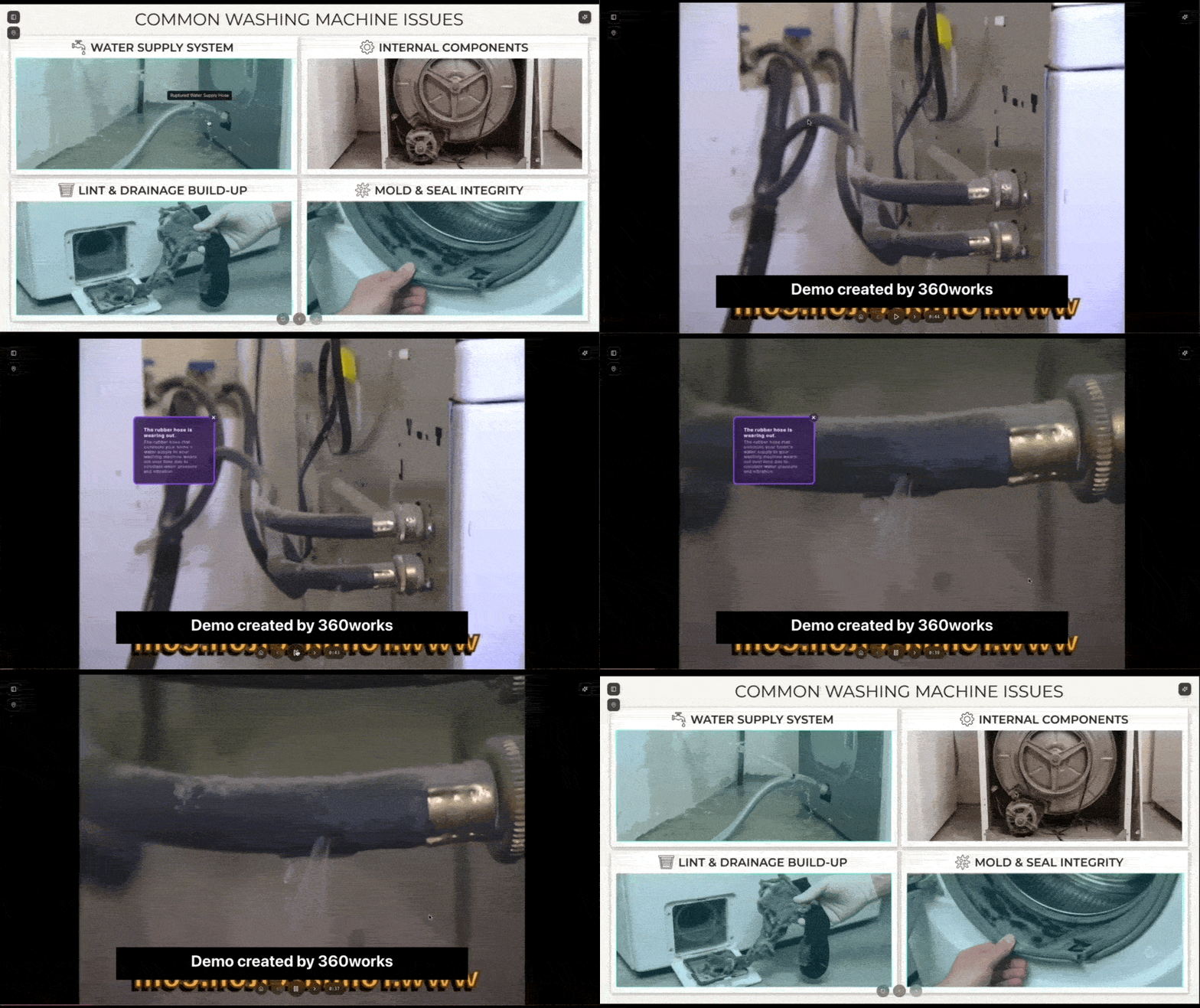
Procedure courses from real footage.
A repair filmed once, broken into steps, with pop-ups at the moment they matter and a quiz at the end.
02
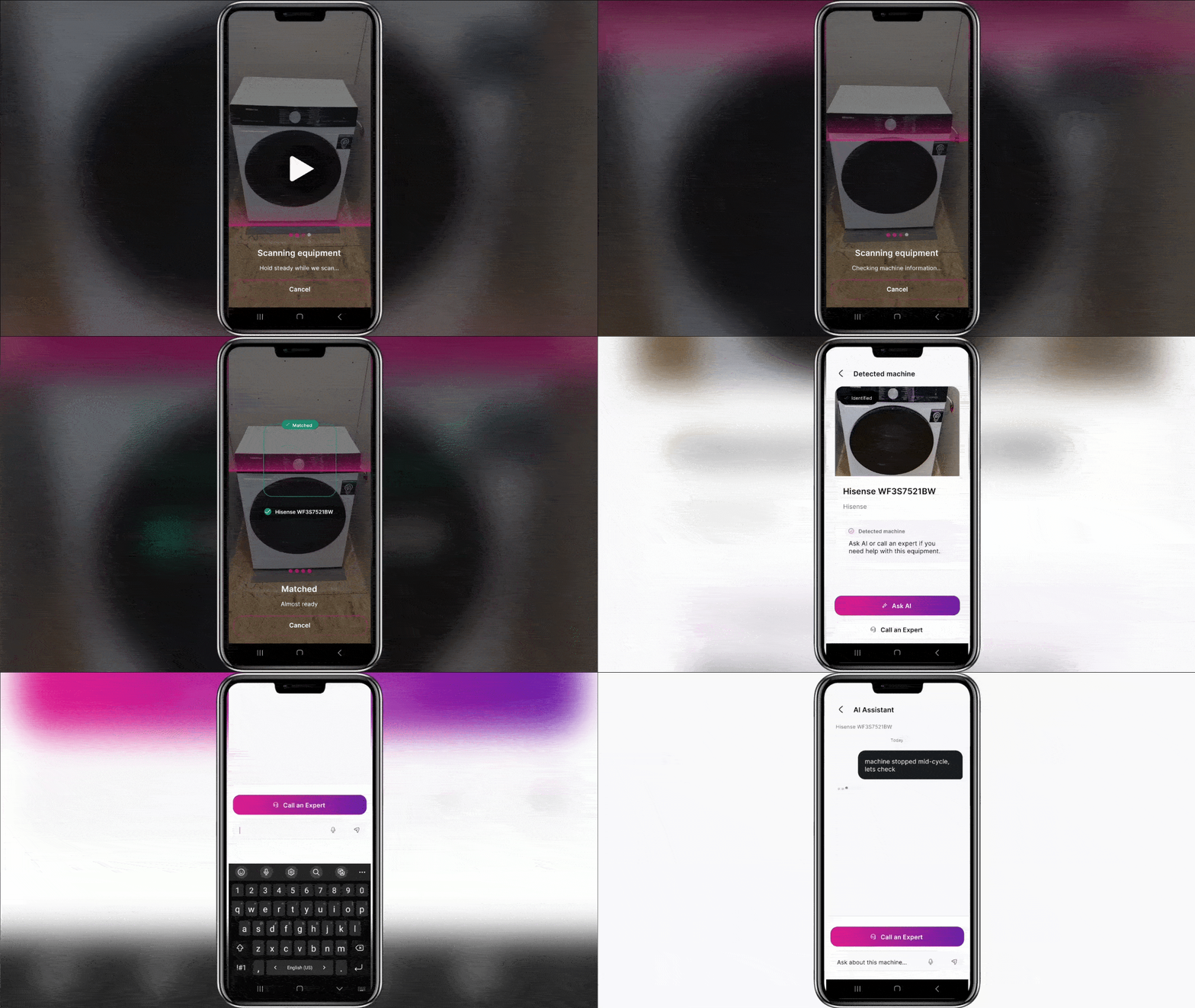
AR on the real unit.
Point a phone at the machine and the right procedure appears where it belongs. Object recognition, no marker required, no headset.
04
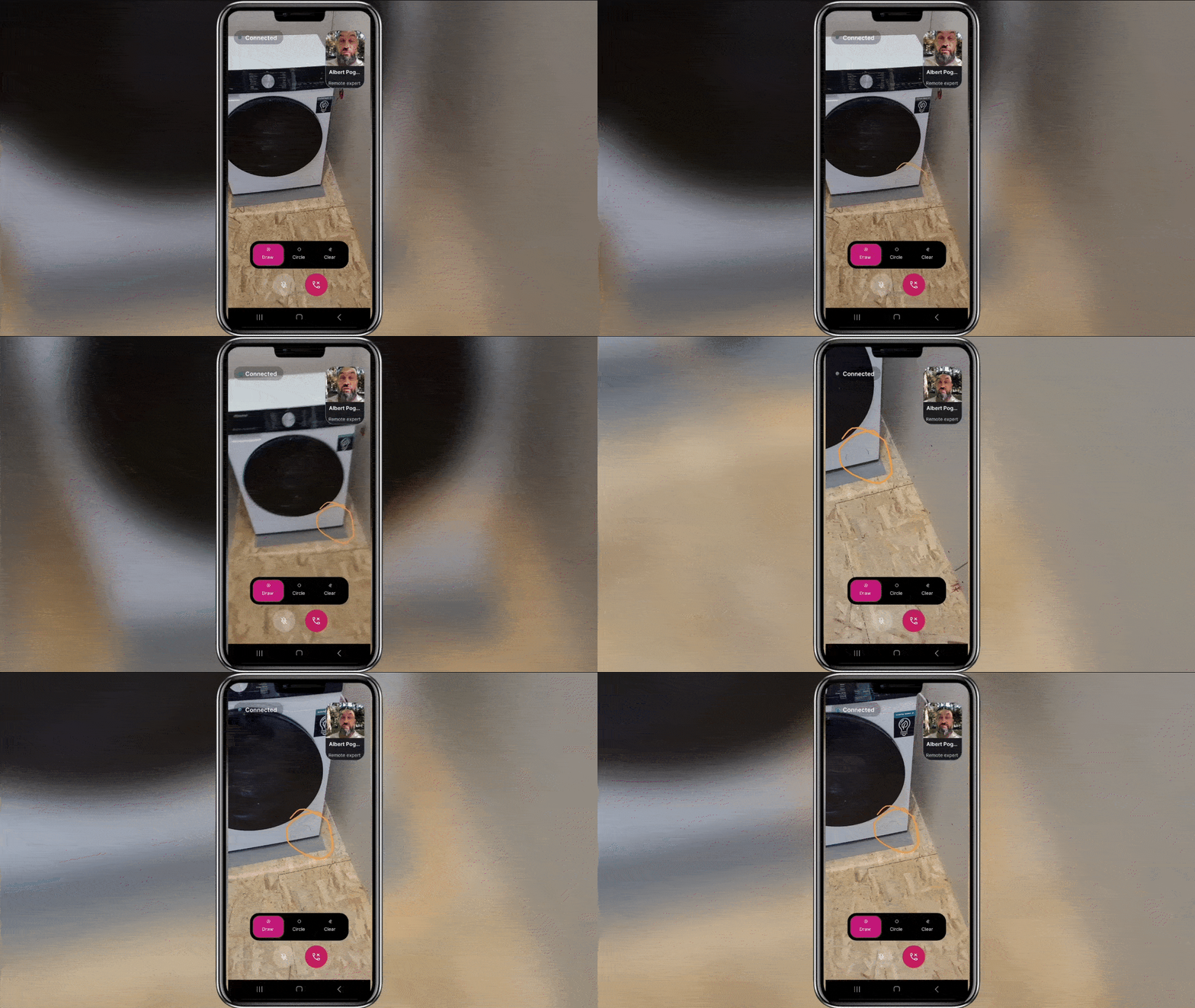
Live remote assistance.
When the tech is in front of it and stuck, an expert sees what they see and draws on the screen.
Depth, on the phone they already carry
Technicians can take a 3D model apart to understand how an assembly fits together, then point their phone at the real unit and follow the procedure overlaid on it. When something doesn't match the documentation, an expert can join the session, see what they see, and mark up their screen.
It all runs on standard phones and tablets, so the training goes wherever the work does, from a customer's home to the back of a service van.
How it gets made
Build procedure courses yourself on 360Works. When you want to go deeper, our studio scans your equipment, builds interactive 3D models and sets up AR on the real unit.
Tell us what's hard to train on.
Send us the thing you can't put in front of people, and we'll tell you how we'd teach it.